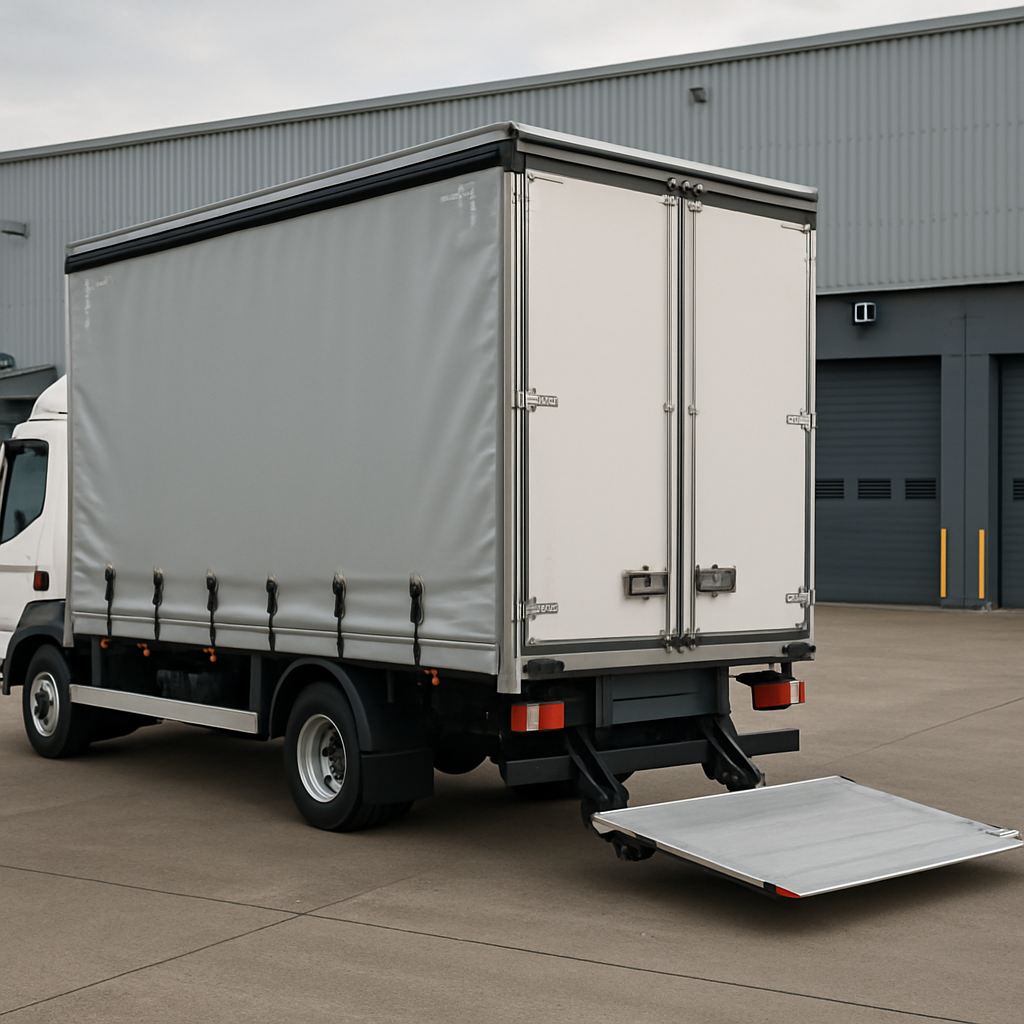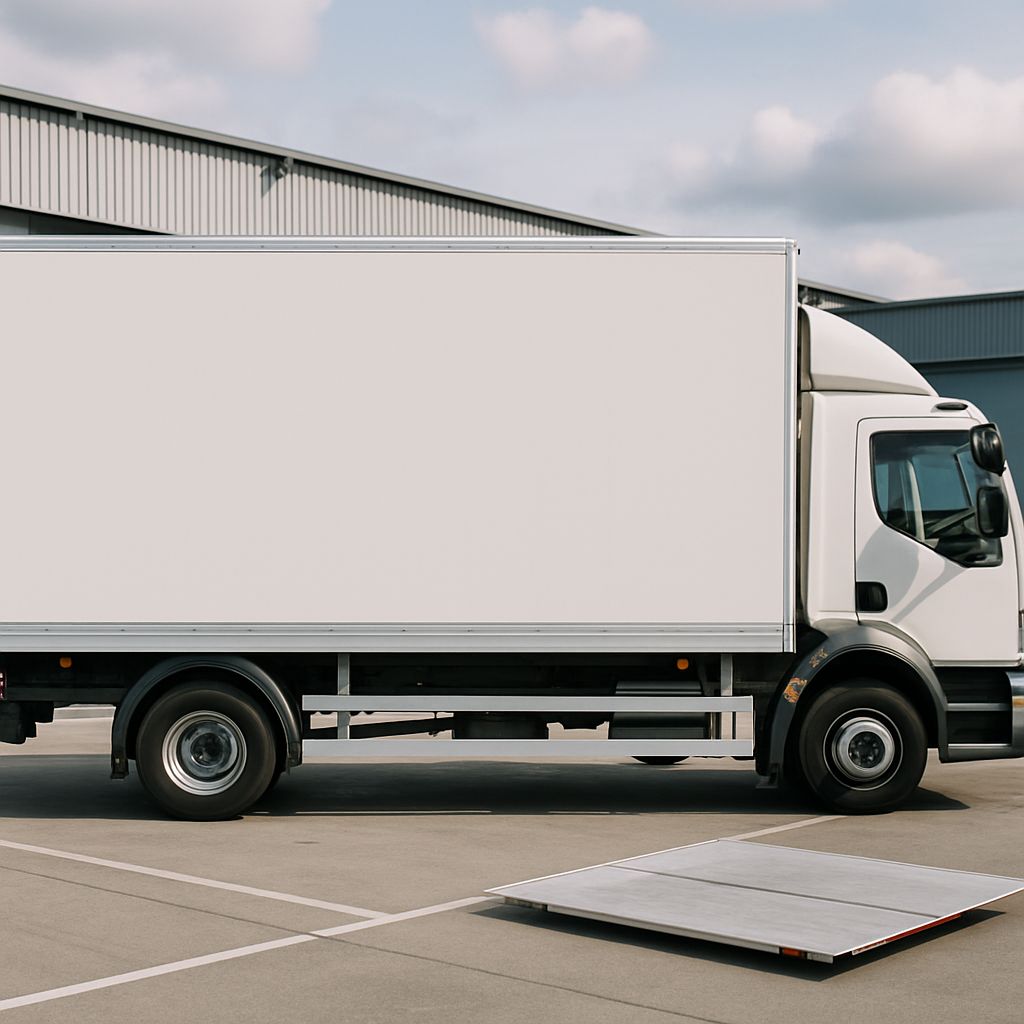
If your business operates a tail lift, you're operating regulated lifting equipment. Under the Lifting Operations and Lifting Equipment Regulations 1998 (LOLER), every tail lift in commercial use must undergo a thorough examination by a competent person at fixed intervals — and operating outside those intervals isn't just bad practice, it's a HSE-actionable offence.
Here's the practical playbook on what's required, what an inspection actually involves, and how to keep a fleet compliant without losing vehicles to a workshop for days at a time.
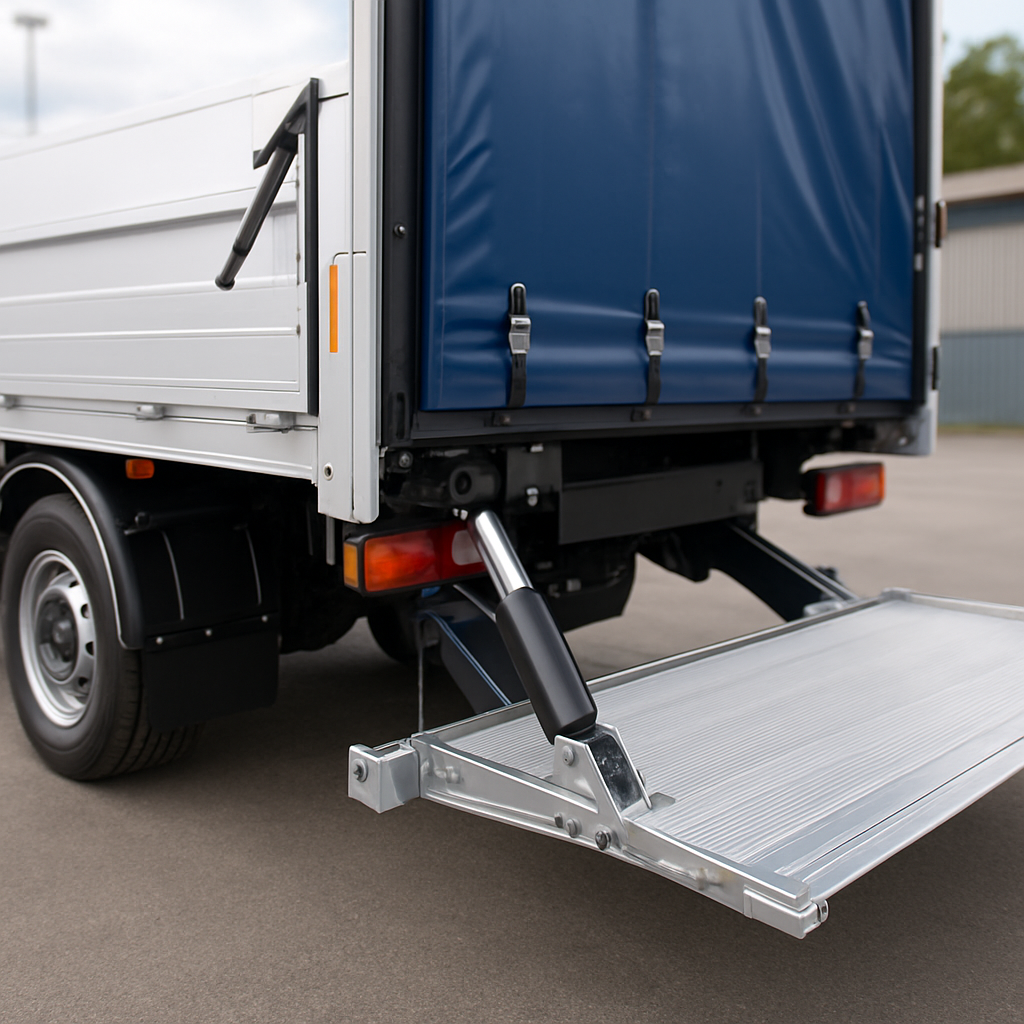
What LOLER actually says
LOLER 1998 Regulation 9 requires that lifting equipment is "thoroughly examined" at the following intervals:
- Every 6 months — for any tail lift used to lift people (passenger lifts on coaches, ambulances, accessibility vans).
- Every 12 months — for tail lifts used only to lift goods.
- Following exceptional circumstances — after any incident that might affect the tail lift's safety: a collision, a heavy overload, signs of damage, or after a major repair.
The examination has to be carried out by a "competent person" — that's not the operator and not the driver. It must be someone independent enough and qualified enough to identify defects.
What "thorough examination" actually involves
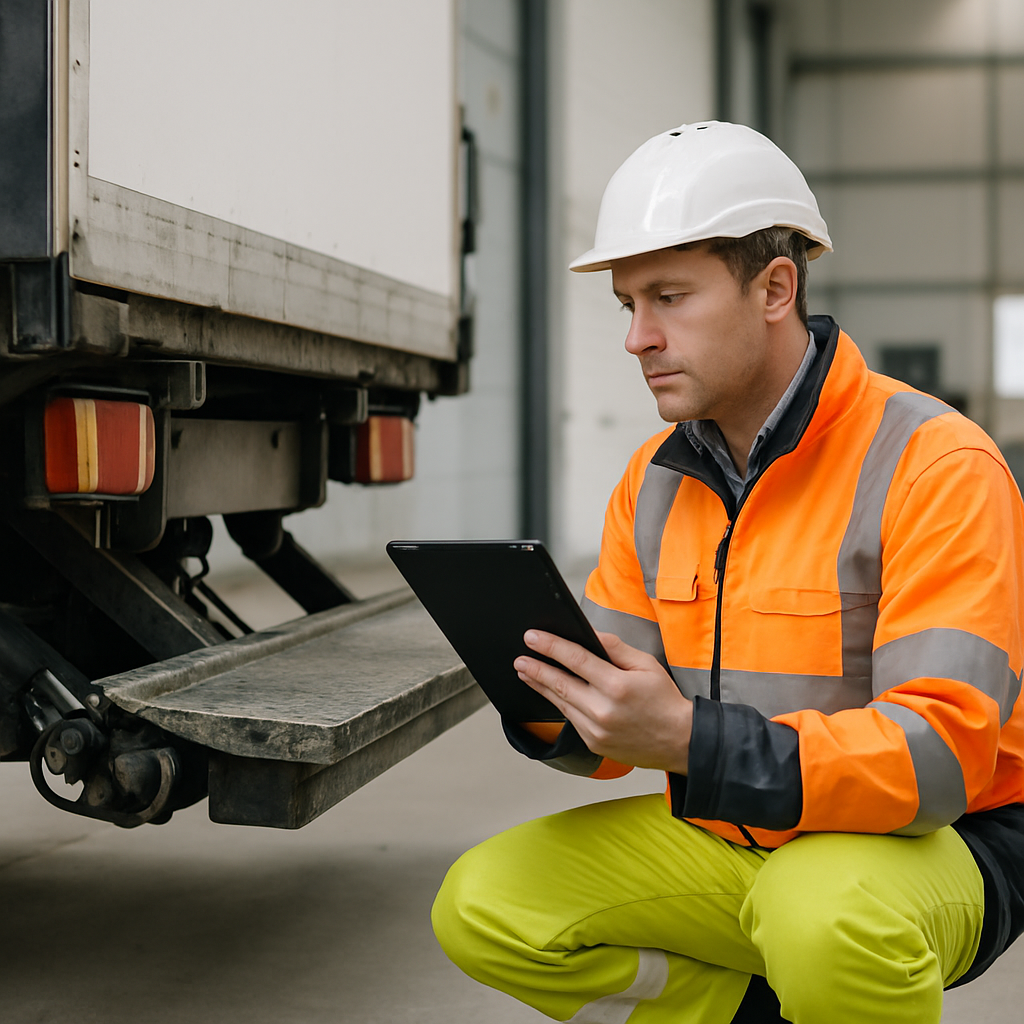
A LOLER examination on a tail lift is more than a quick visual look. The competent person will:
- Test the lift through its full range of motion under no-load and rated-load conditions
- Check the hydraulic system for leaks, ram condition, hose chafe and pressure
- Inspect platform welds, hinges, roll-stops, anti-slip surface and barriers
- Verify electrical safety: control box, contactors, isolators, emergency stop, micro-switches
- Examine the chassis attachment points and supporting frame for fatigue cracks
- Confirm the rated SWL plate is legible and matches the lift's actual capacity
The result is a written Report of Thorough Examination (the "LOLER cert"), which has to be retained for at least two years. HSE inspectors will ask to see it.
Mobile vs workshop LOLER
The traditional approach was to send each vehicle to a workshop for its annual exam — usually meaning a half-day off the road, plus drive time both ways. For a fleet of 20 tail-lift vehicles that's 20 days of lost revenue per year.
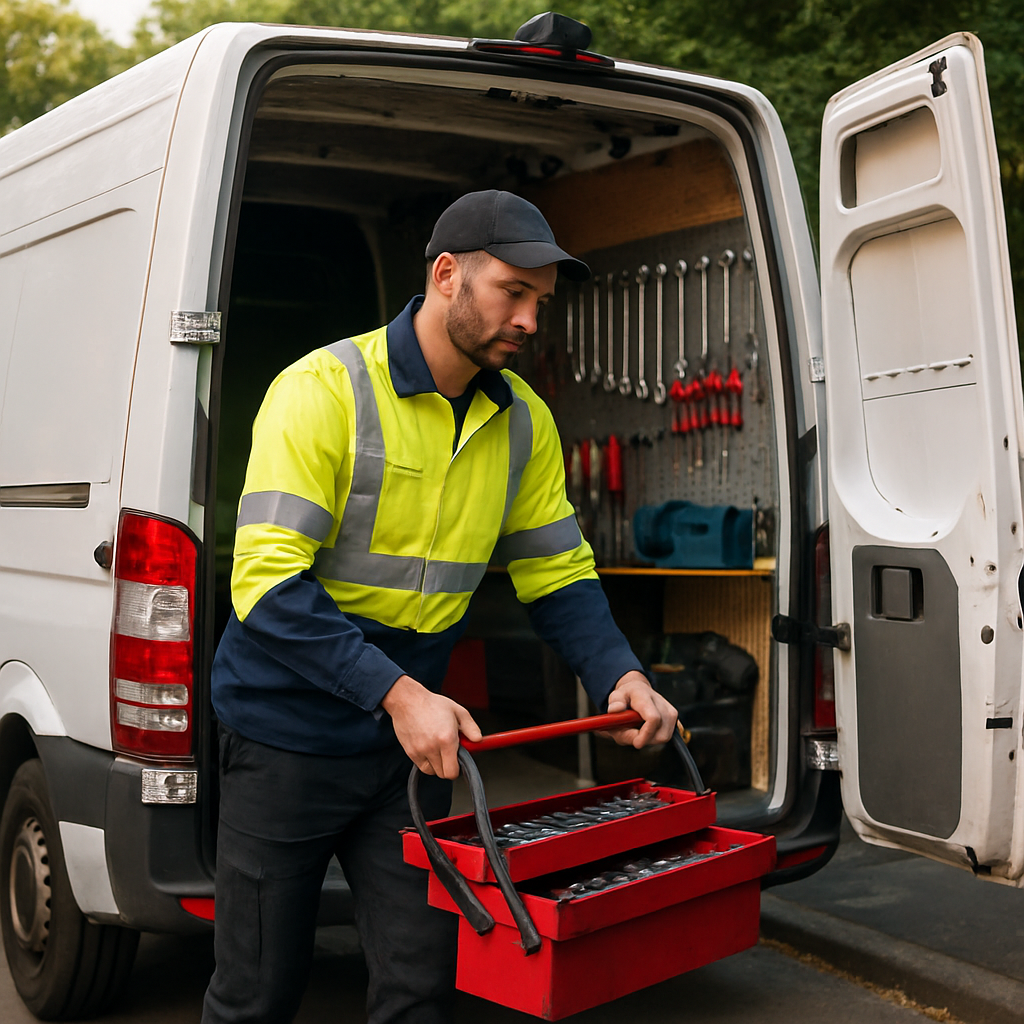
A mobile LOLER service comes to you. TNS 365 mobile tail lift engineers can attend the depot first thing, work through the fleet on a rolling schedule, and have each vehicle back on the road in under an hour. Reports are emailed straight after.
How much does a LOLER inspection cost?
For mobile LOLER on a single van or HGV tail lift, expect £90-£150 per unit, with discounts for batch jobs of five vehicles or more on the same site. That's typically less than half of what you'd pay in a workshop once you factor in driver time and fuel for the round-trip.
If the examination uncovers defects (not unusual on older equipment), repair costs are quoted separately — and we can usually do the repair on the same visit if the parts are universal.
What happens if you fail an inspection?
If a defect is found that's an "imminent risk of serious personal injury", the examiner is legally required to send a copy of the report to the relevant enforcing authority (usually HSE). The lift can't be used commercially until the defect is rectified. That sounds severe but it's rare; most defects are graded as minor or "should be rectified at next maintenance".
Booking a LOLER round for a fleet
The simplest setup is a recurring booking — we hold your fleet schedule, send a reminder a fortnight before the next round is due, and a rolling visit goes in the diary. No surprises, no missed dates, no compliance gap.
Need a tail lift LOLER inspection?
Call 0330 0433 365 or use our contact form to book a single inspection or set up a fleet schedule. See our mobile tail lift repair service page for the full coverage map.