"24/7 commercial vehicle breakdown response" is a phrase every operator advertises. The number that actually matters to a fleet manager is the one nobody puts in their headline copy — how long from phone-call to engineer-on-site. Here's what that number really looks like, and what dictates it.
Across the TNS 365 network last year, the median UK response time for commercial vehicle breakdowns was 74 minutes. The 90th-percentile (i.e. nine out of ten jobs) was under 2 hours 40 minutes. Those numbers are calculated by our job-management platform across 18,000+ live jobs and they include the worst weather, motorway closures and remote postcodes.

The mechanics of a sub-90-minute response
Speed isn't magic — it's the product of three things working in series: density, dispatch, and specialism match.
Density: every UK postcode has at least one breakdown agent contracted in and capable of accepting a roadside job. Most have three or more. Density is what removes the dead-zone problem in remote areas.
Dispatch: when the call lands, our in-house contact centre instantly sees a map of every available agent within range plus their current job state. The closest available specialist gets the push notification, accepts on their phone, and the ETA clock starts running. No phone-tag, no "let me ring round".
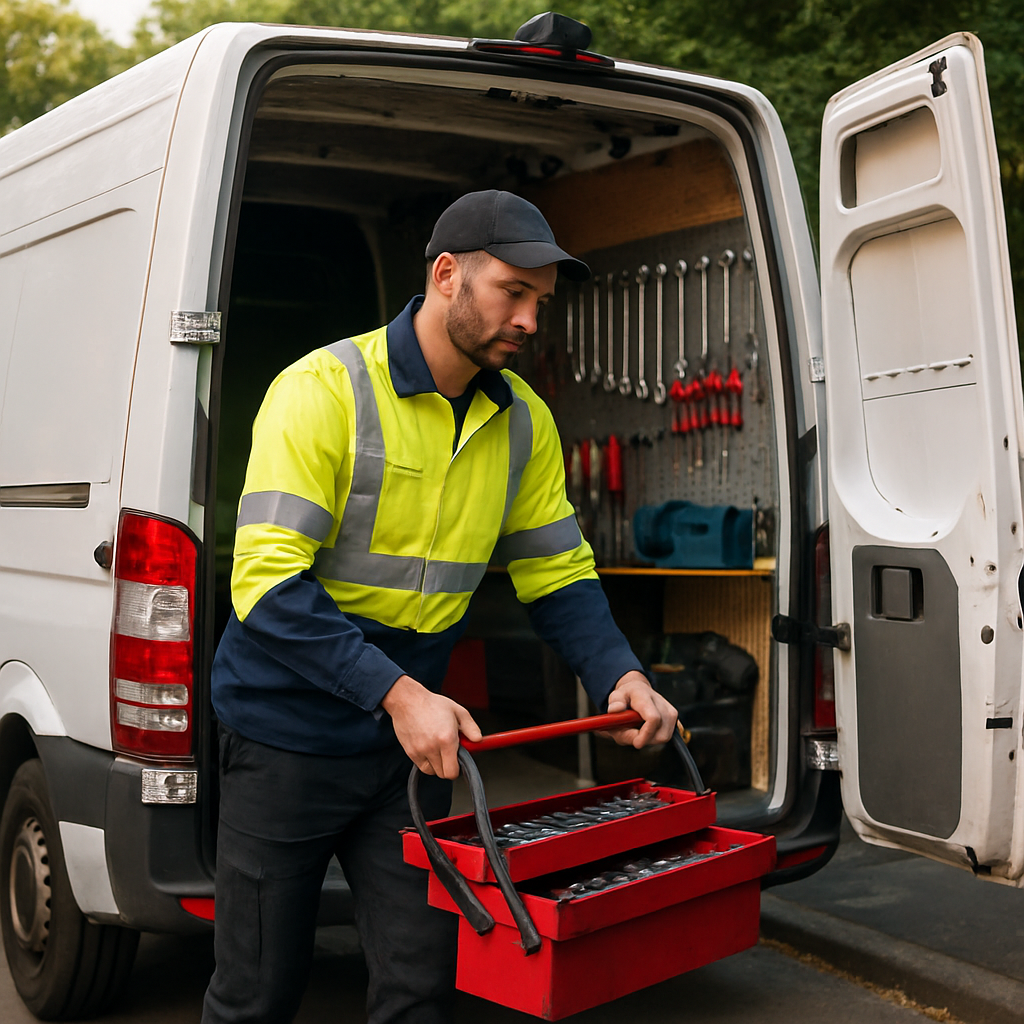
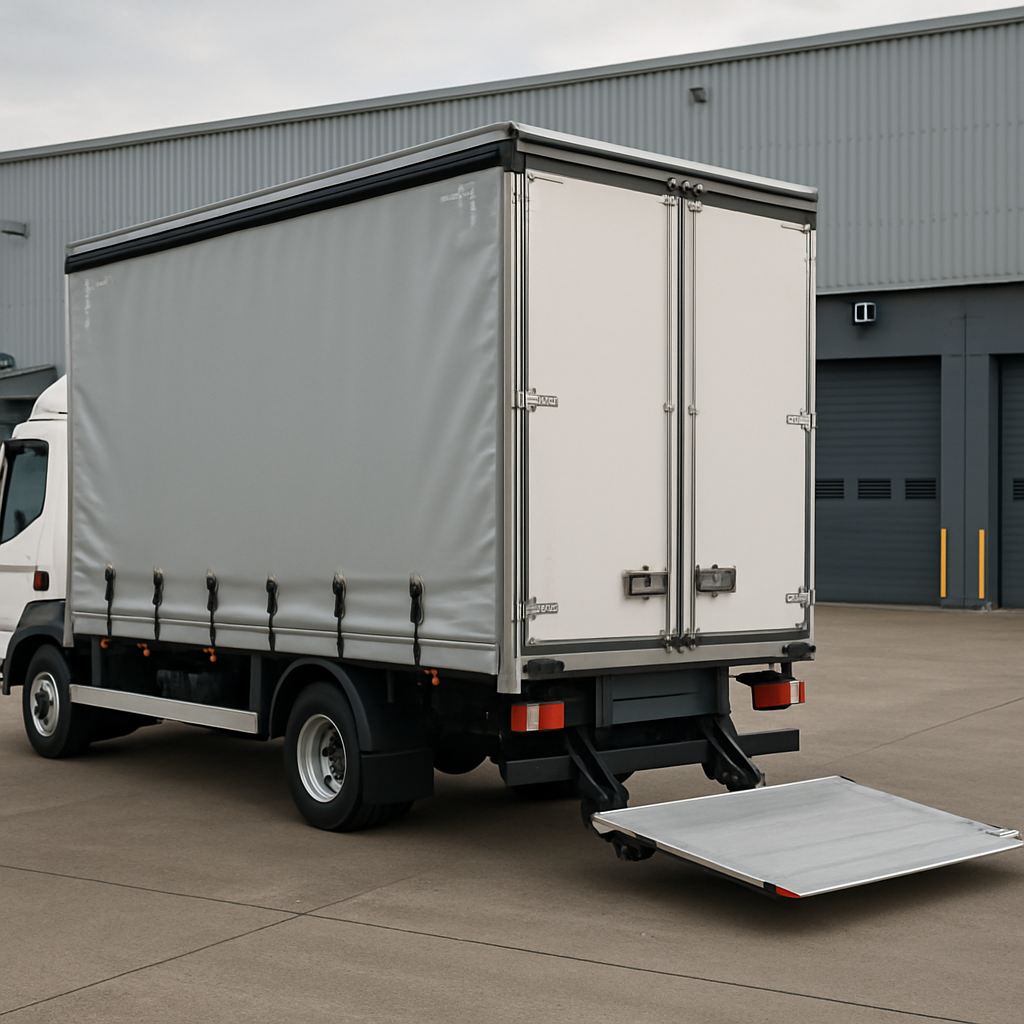
Specialism match: a flat tyre needs a tyre fitter, a misfuel needs a drain engineer, a hydraulic-cylinder failure on a tail lift needs a different kit again. Pushing the right specialism first time avoids a wasted callout and the inevitable second visit.
What slows a breakdown response down
Honestly, three things:
- Vague location data. "On the A14 near Cambridge" loses 20 minutes vs a what3words drop or a precise GPS pin from the driver's phone. Modern fleet apps that share live location speed dispatch dramatically.
- Wrong specialism allocated. When the symptom is misdiagnosed on the call, the engineer arrives with the wrong kit. Better intake at the call stage saves 60+ minutes.
- Permits and access. Smart-motorway zones, port jurisdictions, military estates — closed sites add legitimate delay because the recovery agent needs to be cleared in.
A 24/7 contact centre that asks the right questions on the first call removes most of the first two. The third is structural and we manage it by holding pre-cleared permits with the major operators.
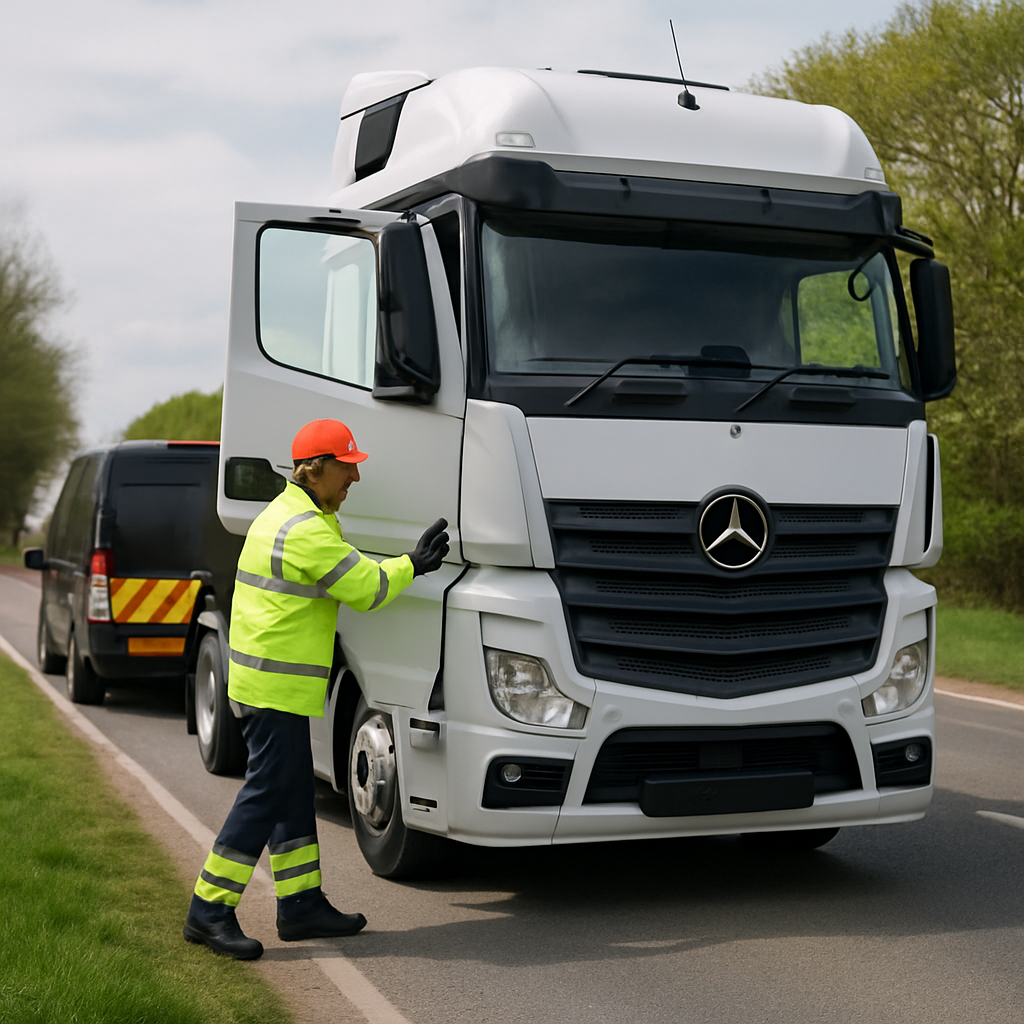
The night-shift premium that doesn't exist
One question we get often: "is the response slower at 3am?" Slightly — by about 8 minutes on average, because traffic is lighter so there are fewer agents already mobile, but engineer travel time itself is also faster. The two effects roughly cancel. Saturday and Sunday are the same as weekdays.
What happens when no first-fix is possible
About 18% of jobs need a recovery rather than a roadside repair. In those cases the engineer makes the call on-scene, our contact centre allocates a recovery operator with the right rated equipment (heavy rotator vs flatbed vs underlift, depending on the vehicle), and the recovery clock starts. Recovery on top of breakdown adds 60-90 minutes typically.
Live job tracking — no more chasing
Account customers see every active breakdown on a dashboard with assigned engineer, current location, ETA, and stage. SMS notifications fire at allocation, en-route, on-site, fault-found, and complete. Most fleet desks tell us the dashboard alone removes the half-hour of phoning around they used to do per breakdown.
Stuck right now?
Call 0330 0433 365 24/7 or open an account via our contact form. See our 24/7 commercial vehicle breakdown service page for the full picture, or nationwide breakdown support for fleet-level coverage.