If you're a self-employed mobile mechanic, recovery operator, tyre fitter, or tail lift specialist, you've probably been pitched on "joining a network" several times — usually with a vague promise of "more work" and not much detail on what's actually involved. Here's the practical reality of what a UK breakdown engineer network does, what it pays, and what it expects.
What a network actually does for you
The TNS 365 network exists for one reason: to push the right job to the right engineer at the right moment. The infrastructure is:
- A 24/7 contact centre that takes incoming breakdown calls from fleet customers, gathers the diagnostic info, and pushes the job out.
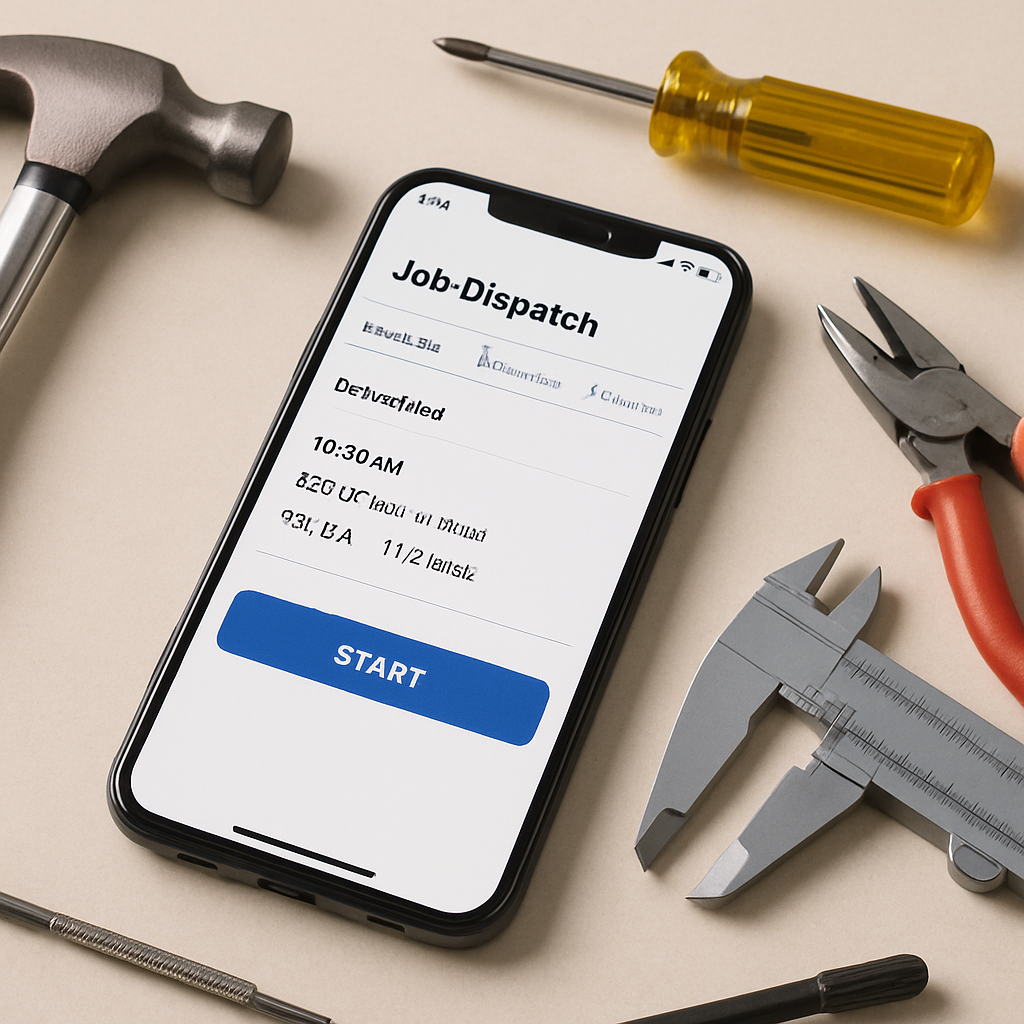
- A job-dispatch app on your phone that pings you when a job within your coverage area matches your specialism and current availability.
- A live job feed — accepting a job locks it to you, sets the ETA, and starts the clock.
- Customer billing handled centrally — you don't deal with end-customer payment chasing. We pay you on a fixed cycle.
The work flow is: phone pings, you accept (or pass), you attend, you complete, you submit job sheet and photos, you get paid on the next cycle. Simple.
What you bring to the table
Network work expects a baseline of professional kit and behaviour:
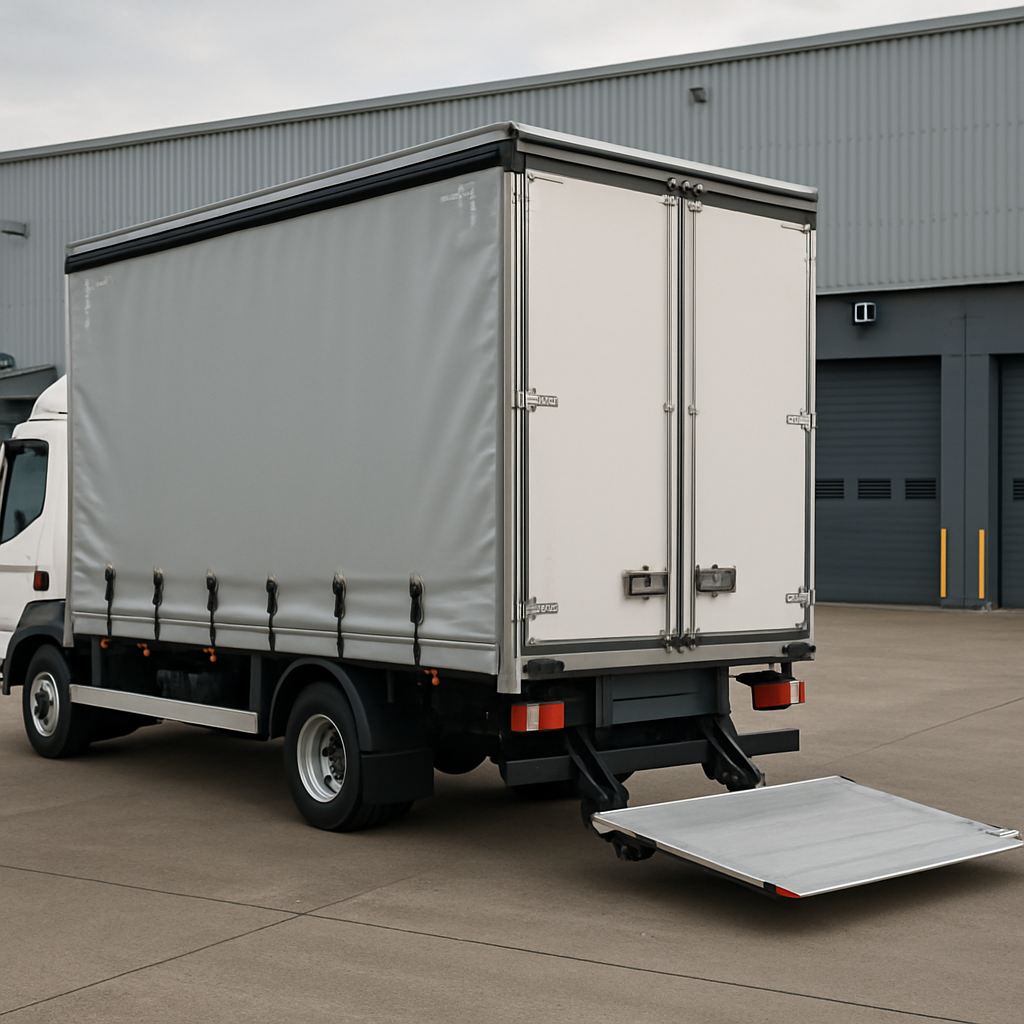
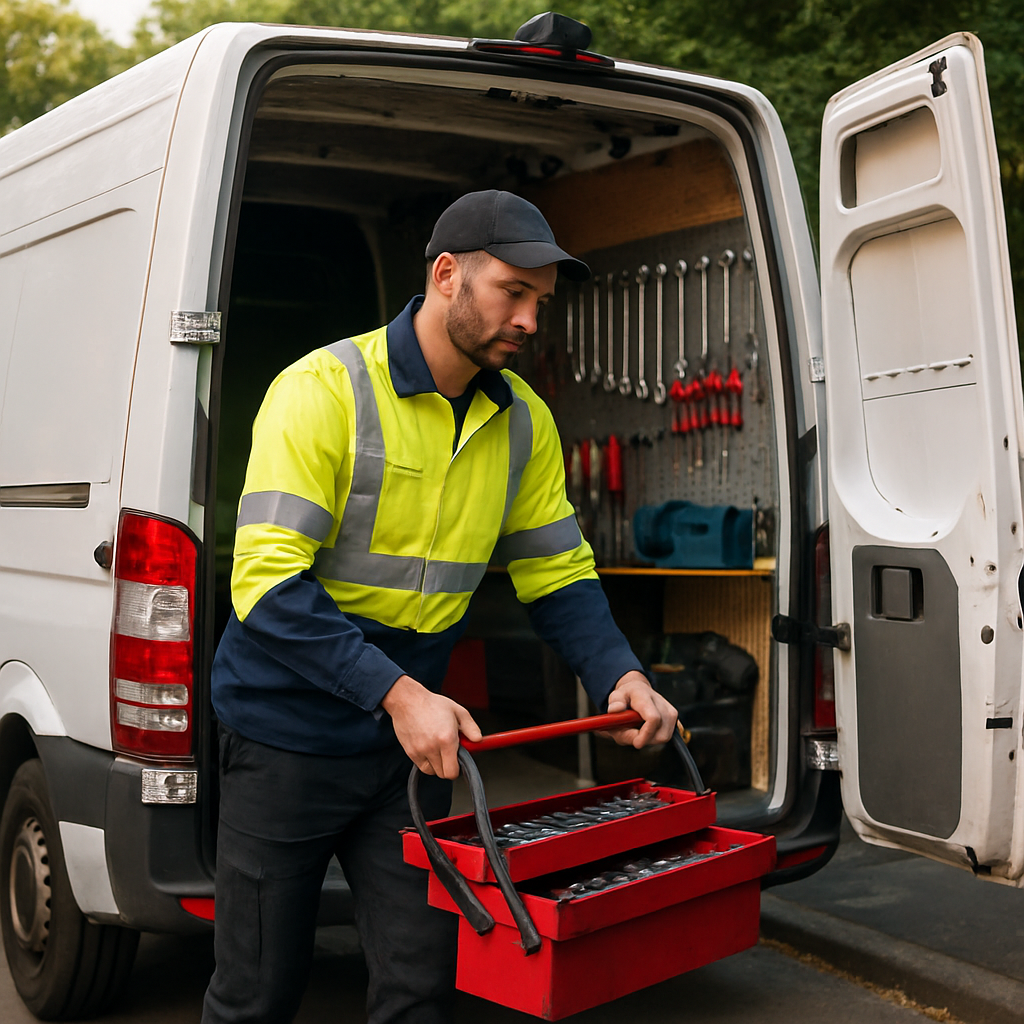
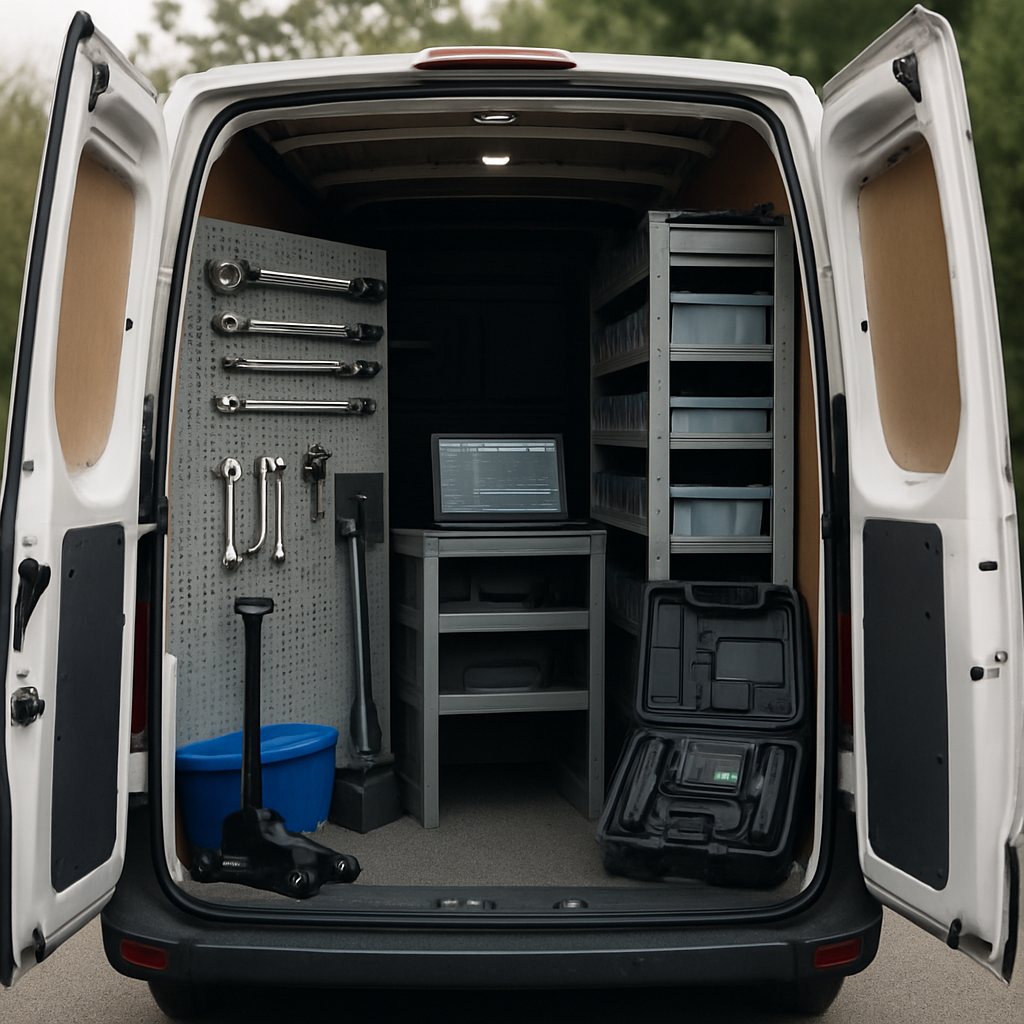
- The right kit for your specialism — for tyre fitters, an HGV-rated mobile fitting van; for tail lift engineers, universal stock for the main brands; for recovery, an underlift or specialist gear rated for the vehicles you accept; for fuel drain, a self-contained drain unit licensed for waste fuel.
- Public liability insurance — minimum £5m, evidenced annually.
- Goods-in-transit insurance for recovery operators carrying customer vehicles.
- UK driving qualifications appropriate to the work — Cat C / Cat C+E for HGV recovery; Cat B for most mobile engineering.
- A smartphone with the dispatch app installed and reliable connectivity.
- Branded workwear — high-vis with the network's identification, optional but encouraged.
How payment actually works
Each job has a pre-agreed network rate. You see the rate on the job offer before you accept; if it's not worth it for your area or kit, you pass and the job goes to the next engineer. No penalty for passing.
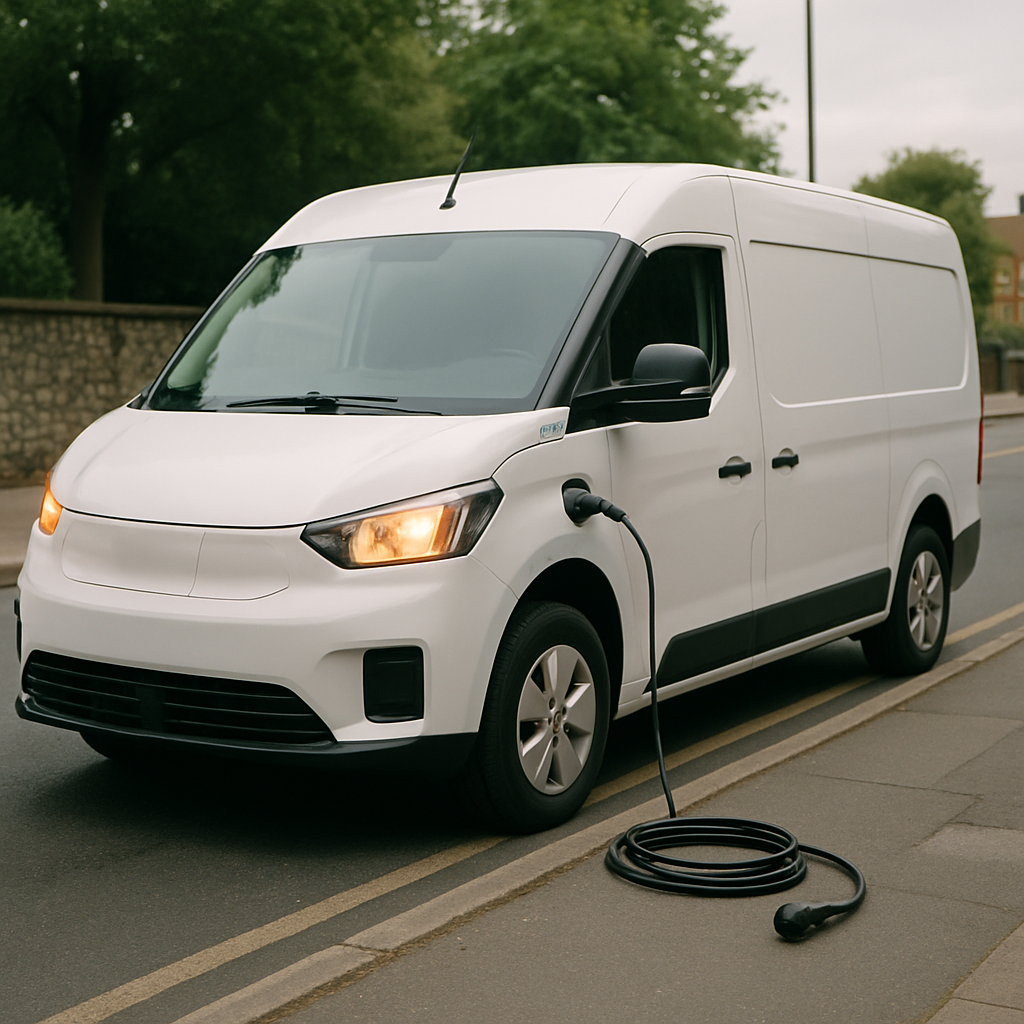
Standard payment cycle is 30 days from job-sheet submission. Bonus tiers exist for engineers who hit response-time and first-fix targets consistently — and for those who take on more difficult specialisms (Carrier Transicold, EV recovery, abnormal-load recovery).
How much can you earn?
Honest answer: depends on your area, kit, hours, and how broad your specialism is. A solo engineer with a fully-equipped tyre van covering a busy motorway corridor will see a higher daily job count than a tail lift specialist in a rural area. Typical solo-operator weekly turnover from network work alone: £1,800-£3,500. Two-engineer outfits with shift coverage routinely double that.
The work also stacks neatly with existing fleet contracts — most engineers run network jobs alongside their direct customer base.
What it's like in practice
Most engineers find the first 4-6 weeks the steepest part of the curve — the dispatch app feels different from how their old workflow operated, and there's a habit-change in accepting/declining jobs cleanly. After that, it's a steady drumbeat: phone pings, accept or pass, attend, submit, get paid.
The network model works best for engineers who already have an established routine — solo or small partnership — and want to fill gaps in the diary or expand area coverage without taking on direct sales.
Application process
Five steps:
- Apply via our agent application page.
- Quick phone interview to confirm specialism, area, kit and insurance.
- Insurance and qualification documents reviewed.
- Dispatch-app onboarding and trial period (typically 2-4 weeks parallel-running).
- Full network status with full job feed.
The whole process usually takes 7-14 days end to end.
Interested?
Apply via our network recruitment page or call 0330 0433 365 and ask for the network team. We'll talk through your specialism, area, and how the workflow would actually look for your business.