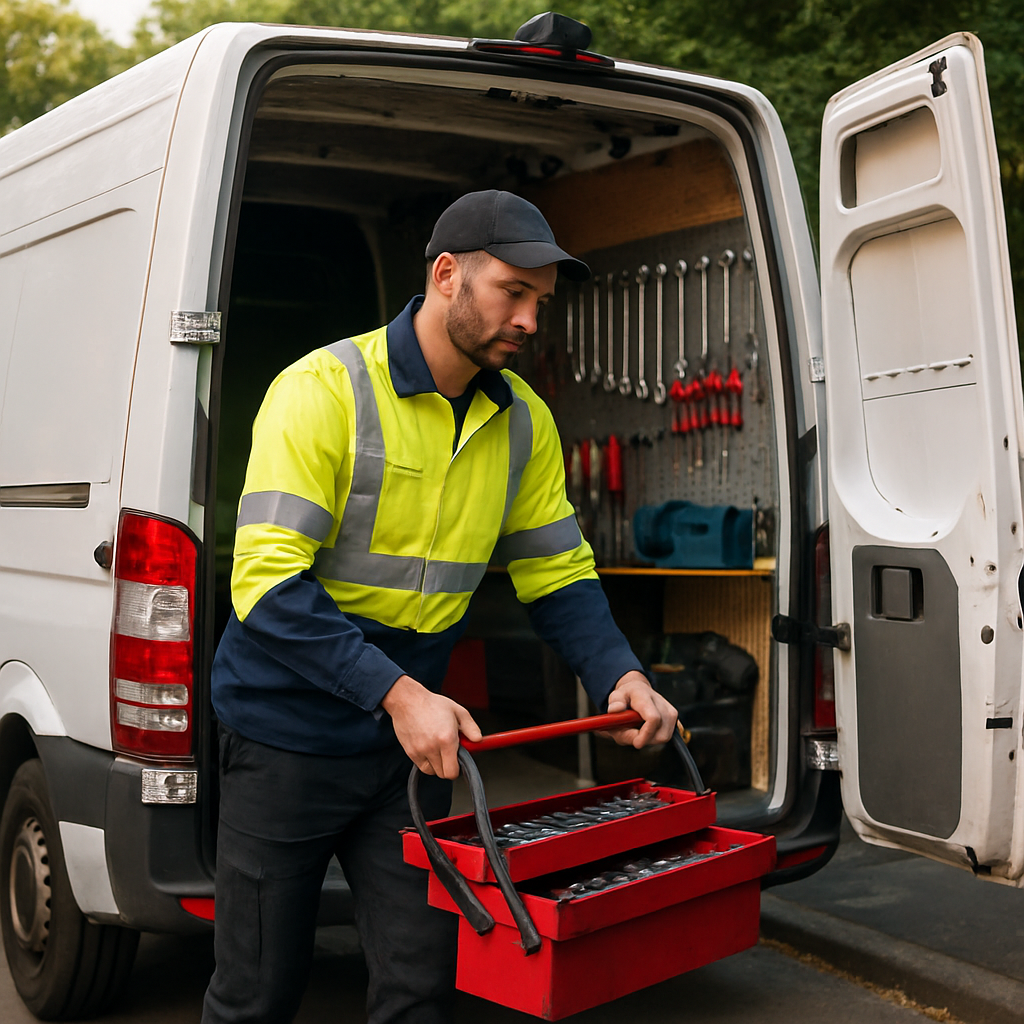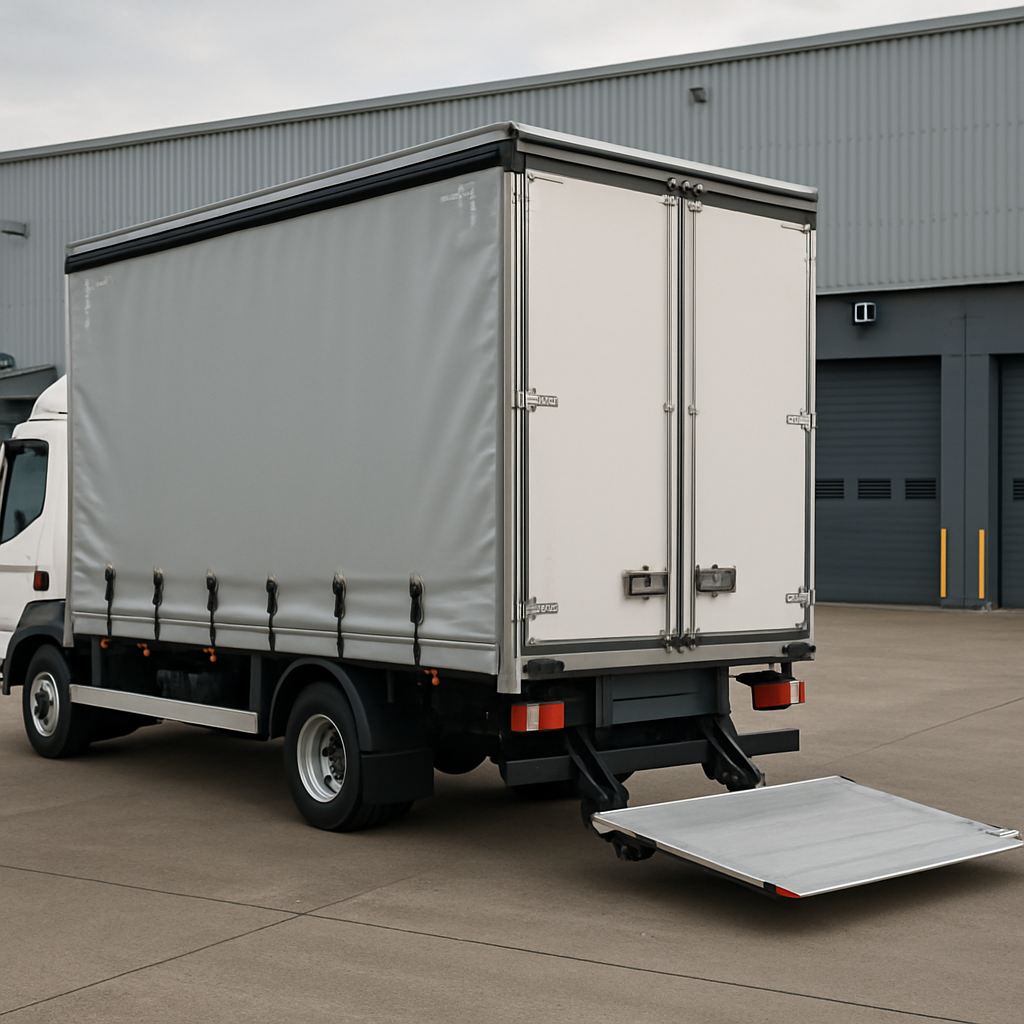
Most haulage and logistics businesses still run their own out-of-hours rota for breakdown calls. The thinking is: it's not that many calls, the boys and girls in the office can take it in turns on a pager, and we save money by not paying a third party.
That maths almost never holds up once it's actually counted. Here's what happens when you cost a real out-of-hours rota end-to-end.

The hidden costs of an in-house OOH rota
Take a fleet of 80 commercial vehicles. Average out-of-hours breakdown call volume is about 12-15 a week. The dispatcher rota is usually four or five staff working a one-week-on, four-weeks-off pattern. Looks cheap.
It isn't, once you add up:
- On-call premium — most fleets pay £250-£400 per week per duty staffer. £18,000-£28,000/year for the rota itself.
- Daytime productivity loss — duty staff are on-call from Friday afternoon to Monday morning. Even if no calls come through, sleep is broken, attention is split, and Monday's productivity is measurably lower. Studies put the productivity hit at 8-15%.
- Quality variance — some duty staff are sharp at 3am, some aren't. Misallocated breakdowns cost engineer time twice and the customer pays for it both times. We see misalloc rates of 18-25% on in-house OOH vs single-digit % on a dedicated contact centre.
- Holiday and sickness gap — when a duty staffer is away, the gap has to be filled. Either you pay another staffer extra or you buy in cover anyway.
- Burnout / churn — OOH rota work is the single biggest predictor of mid-tenure office-staff churn. Replacement cost averages £6k per departure.
What an outsourced 24/7 contact centre does differently
A dedicated 24/7 contact centre changes three things:
1. Calls are answered by trained dispatchers, not fleet office staff who happen to be on-call. The first 30 seconds of a breakdown call set the response quality. Asking the right intake questions — vehicle type, exact location, fault symptoms, payload status — is a learned skill.
2. There's no single point of failure. A team rotates through the desks; if someone's off sick, someone else picks up. No "we missed the call because the duty phone died" scenarios.
3. Recordings, audit trails, and KPIs. Every call is logged, recorded, and tied to a job number. SLA performance is visible. In-house rotas usually have no audit trail beyond "I rang John at 11pm".

Who actually picks up
The TNS 365 contact centre is staffed in-house in the UK 24/7/365. There is no IVR maze; calls are answered within seconds by a trained breakdown dispatcher. They have access to your fleet's profile, vehicle list, agreed pricing, and pre-approved authorisation limits. The dispatcher handles the customer call and the agent allocation in a single conversation.
Call overflow vs full outsourcing
Two service shapes are common:
- Out-of-hours only — your office handles 9-5 weekdays; we pick up evenings, weekends and bank holidays. Common for medium fleets.
- Full 24/7 outsourcing — every breakdown call goes to us regardless of time. Common for fleets that don't have a dedicated dispatch desk in-house.
The third shape — call overflow — is for fleets with their own desk that occasionally gets swamped. Calls overflow to us after a configurable number of rings or when the in-house line is engaged.
What it costs
Call-handling pricing is on a monthly retainer plus per-call fee, scaled to fleet size. For most haulage operators, the all-in cost lands well below the in-house rota total once you include the productivity loss and churn cost.
How to switch over
The transition is usually a 4-week project: number porting (or simple call-forwarding), profile setup, dispatcher training on your fleet specifics, parallel-running for a week, then full cutover. Most fleets feel the change inside a fortnight.
Want to see your numbers?
Call 0330 0433 365 or use our contact form for a no-obligation cost comparison against your current rota. See our 24/7 UK call handling service for service detail.