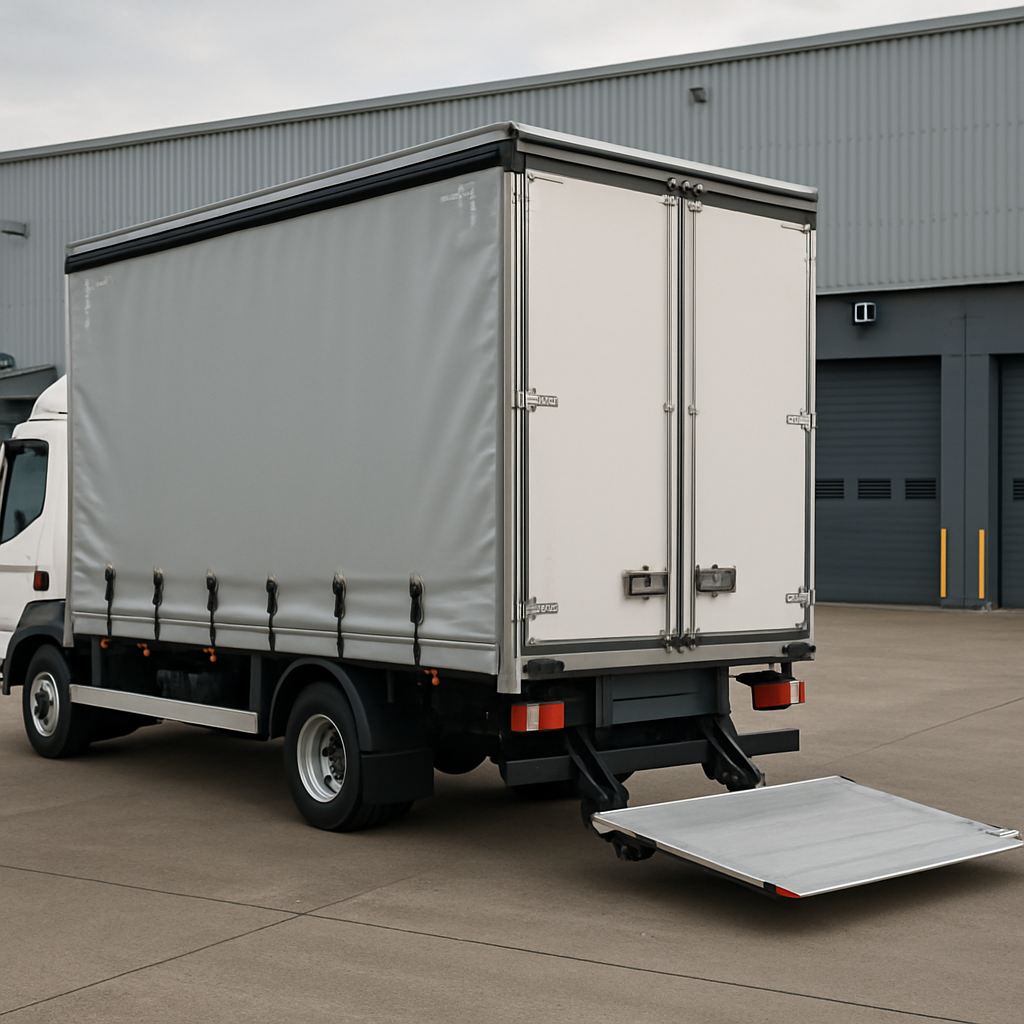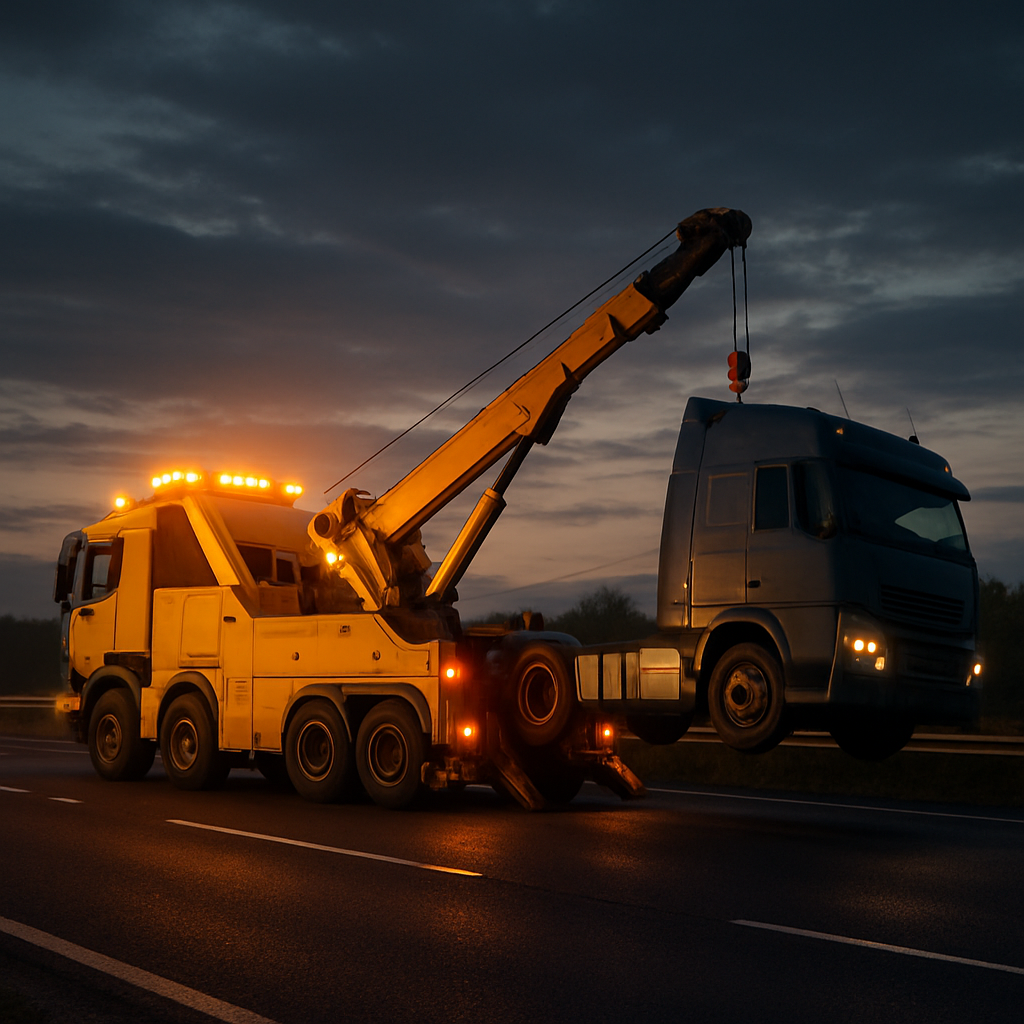
"HGV recovery" is one of those phrases that hides a multitude of jobs. A jack-knifed artic on the M25 needs different kit than a tractor-unit with a snapped clutch on a B-road. The cost gap between the two is enormous and the right kit on the first dispatch is what decides whether a recovery is finished in 90 minutes or sprawls to six hours and three vehicles. Here's the practical taxonomy.
Underlift recoveries
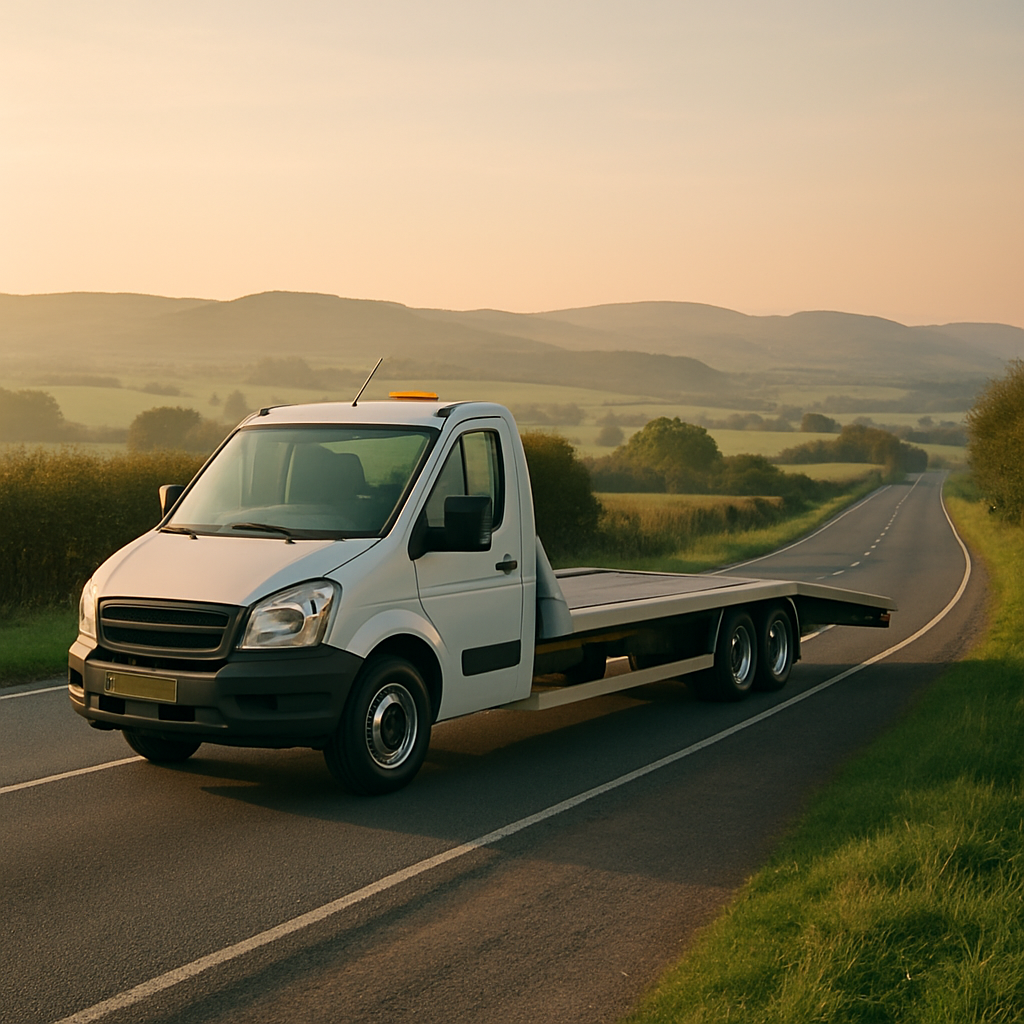
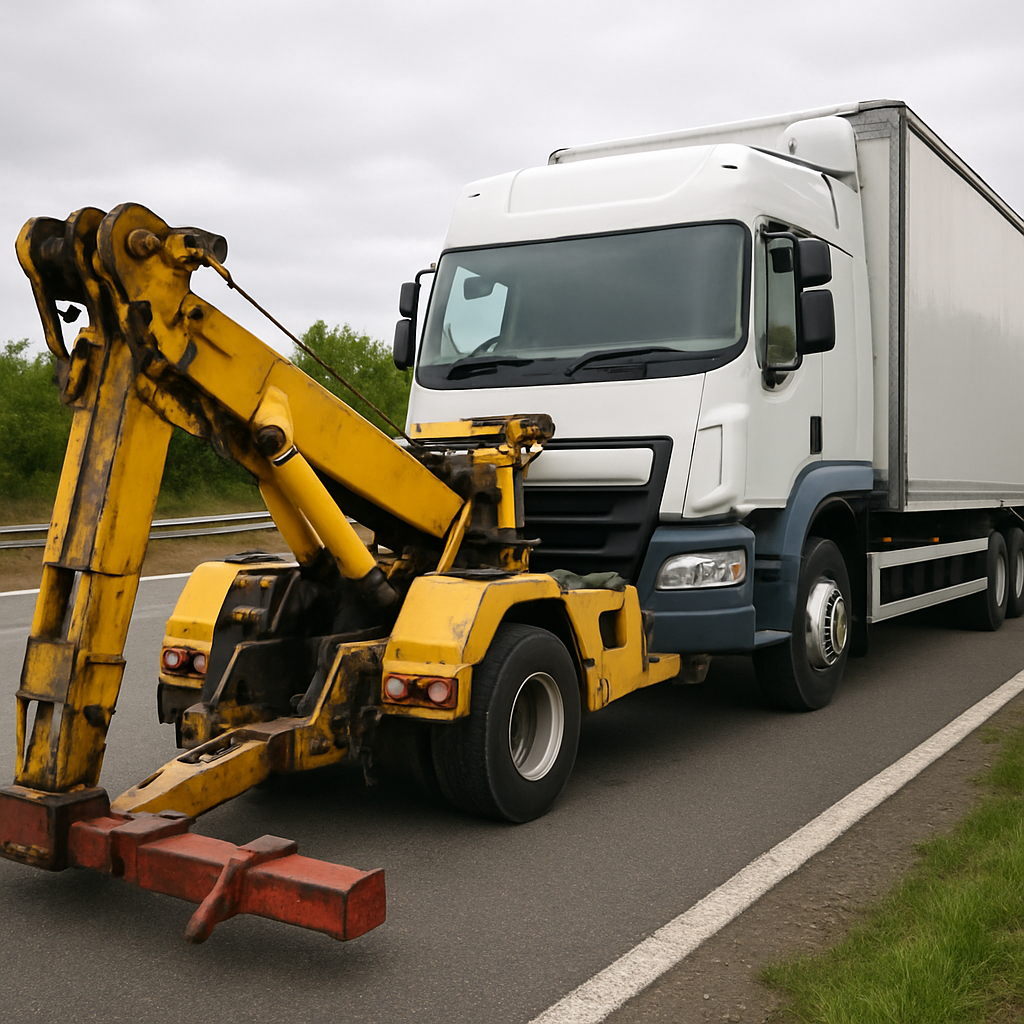
The bread-and-butter of commercial vehicle recovery. An underlift is a heavy-duty wheel-lift fitted to the back of a recovery truck. It cradles the front axle of the casualty vehicle and tows it backward — driveline disengaged, of course. Suitable for most rigid HGVs, refuse vehicles, tippers, and 7.5-tonners. Quick, light, fast on the road. Typical UK uplift fee: £300-£550 plus mileage.
Prime movers (artic recovery)
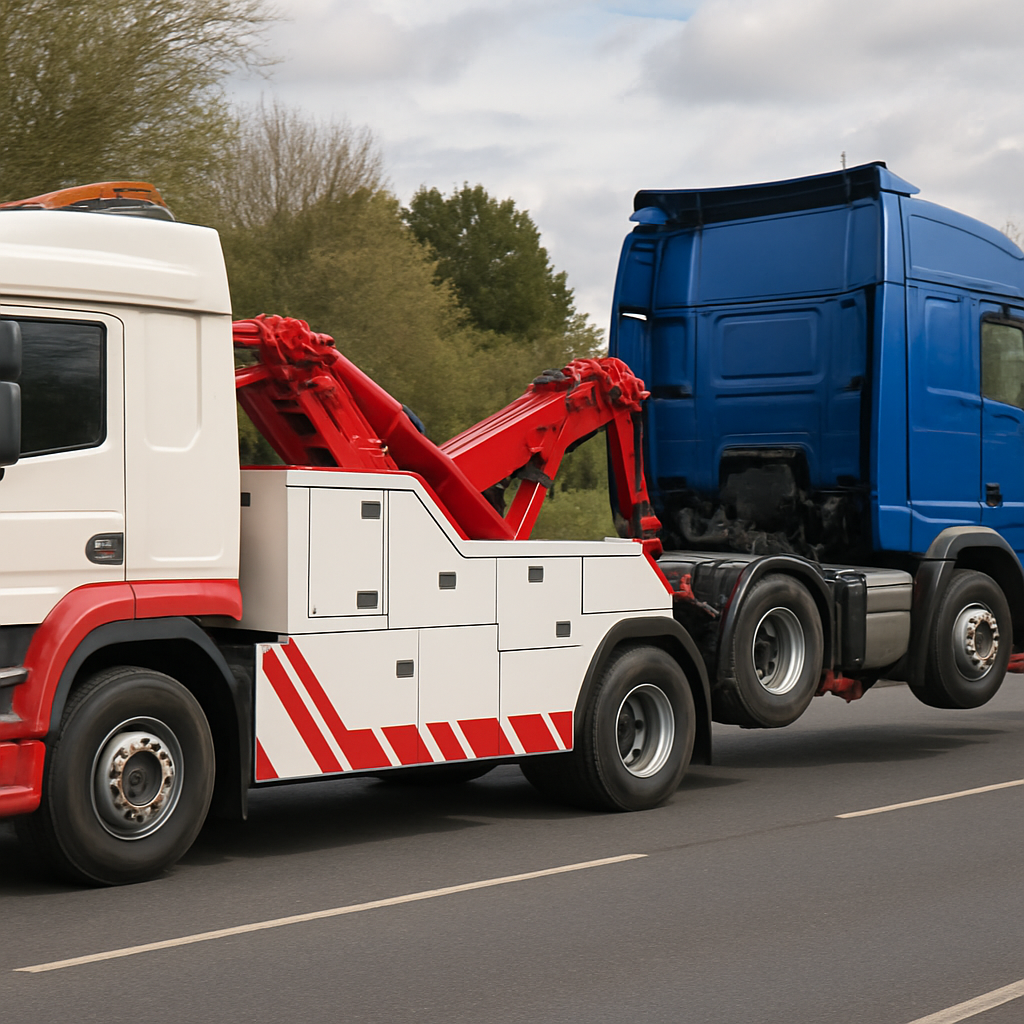
An artic with a fully-laden trailer is a different problem. A prime mover is essentially a recovery-spec tractor unit — a tractor whose only job is to couple to a casualty trailer's fifth wheel and drive it to the destination. It doesn't recover the broken tractor; that needs a separate underlift. Two-vehicle dispatch, two clocks running. Typical fee for a UK prime-mover relay: £500-£900 plus mileage.
Rotators — heavy lift
The big kit. A rotator recovery truck has a hydraulic boom with the lifting power of a small mobile crane (typical 35-65 tonne capacity) plus a winch capable of dragging an overturned 44-tonner back onto its wheels. Uses include: jack-knifed artics, vehicles down embankments, overturned tippers, abnormal-load incidents, and any recovery where lifting and not just dragging is needed. Rotators go out per-job, charged per hour on-site plus mileage; typical recovery costs run £1,500-£4,500 for a moderate incident.
Specialist rigging — extreme cases
For overturned tankers (with their fluid-shift and HazMat issues), spilled-load recoveries, and high-bridge incidents, specialist crews bring rigging, slings, padding, sometimes a second rotator working in tandem. These are major operations — Highways England usually closes the carriageway for the duration. Costs scale with the work, but a major recovery rarely lands under £8,000-£15,000 for the job.
What dictates which kit is dispatched
Three factors:
- The casualty's gross weight — under 18t tends to be underlift; over that, depends on the failure mode.
- What's failed — driveline failure (engine, gearbox, clutch) is normally an underlift. Air-system failure on a trailer might mean the trailer plus prime mover. A collision usually means a rotator.
- Loaded vs unloaded — a loaded artic almost always needs a prime mover for the trailer; the cargo can't always be transferred at the roadside.
The first call into our dispatch desk asks all three. The right kit on the first dispatch is the difference between 90 minutes and four hours.
Cross-border and abnormal loads
Within the UK, our network has rotator-rated agents in every region. Abnormal-load recoveries (over 44t, over 18.65m, or with VR-1 movement orders) need pre-cleared route planning with Highways and the local police; we hold those relationships and can co-ordinate the move-out from the recovery scene through to the destination depot.
How charges are quoted
For account fleets, recovery is on pre-agreed per-mile and per-hour rates with banded mileage. Ad-hoc one-off recoveries are quoted on the call: vehicle category, location, destination, kit needed. Card upfront for non-account customers.
Need an HGV recovery now?
Call 0330 0433 365 24/7. Tell the dispatcher the vehicle GVW, what's broken, and whether it's loaded — that's all we need to put the right kit on the road. See our 24/7 commercial vehicle recovery service for full coverage details.