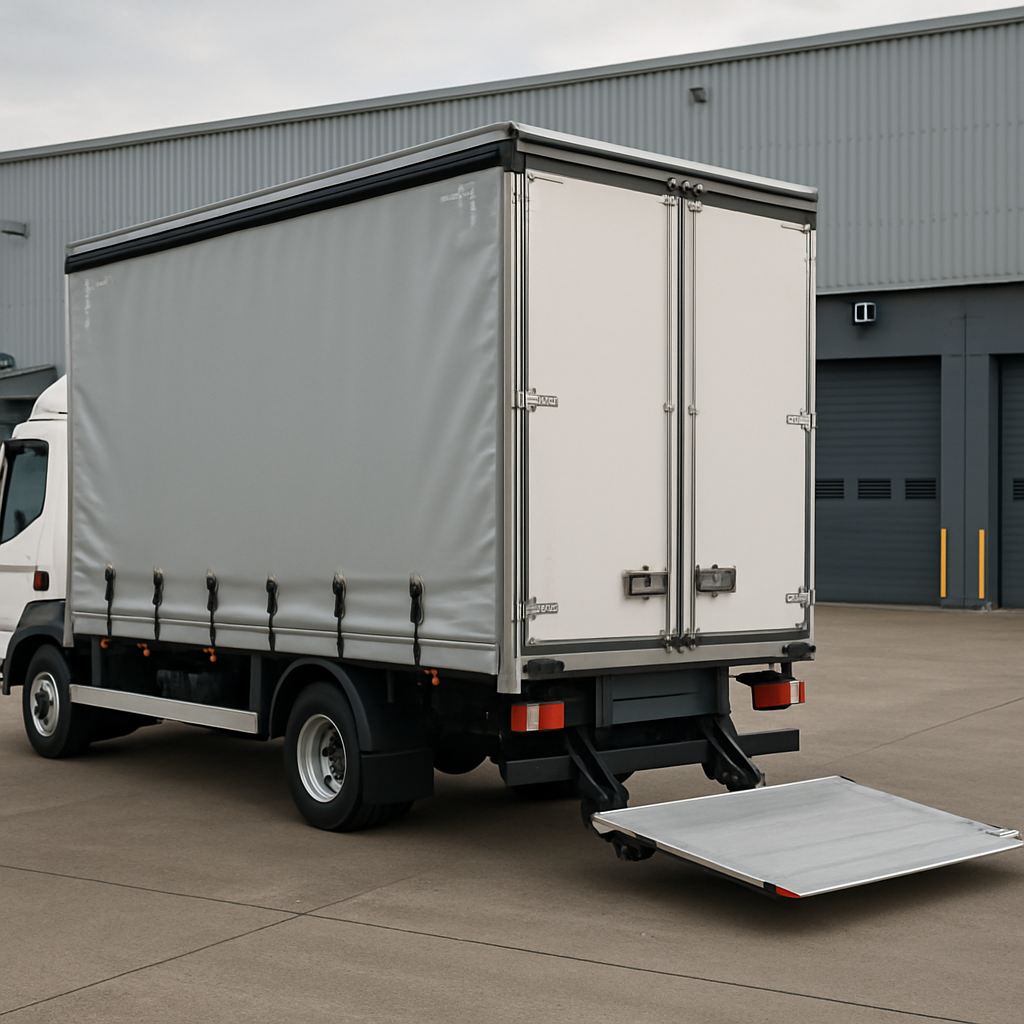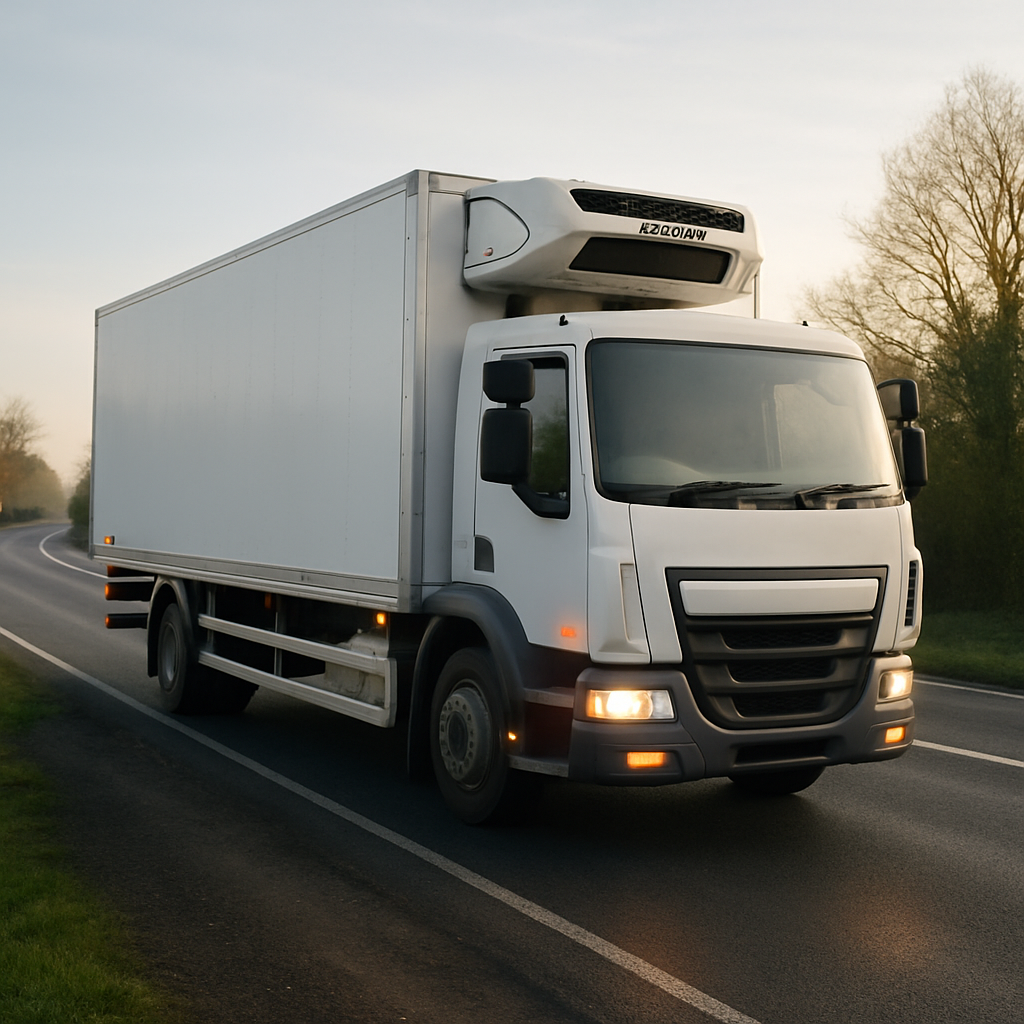
A Carrier Transicold (or Thermoking, or GAH) failure on a loaded refrigerated trailer is not a normal breakdown. The clock isn't a 60-90 minute response window — it's the temperature curve on the load. Pharma loses spec at +8°C in some cases. Frozen at -18°C tolerates a few degrees of drift before the rate of degradation accelerates. Fresh chilled has a tighter window than most people realise.
This is what a transport-refrigeration breakdown response actually has to be: rapid diagnosis, restore-temperature-first thinking, and a technician who knows the brand-specific failure modes cold.
The most common failures
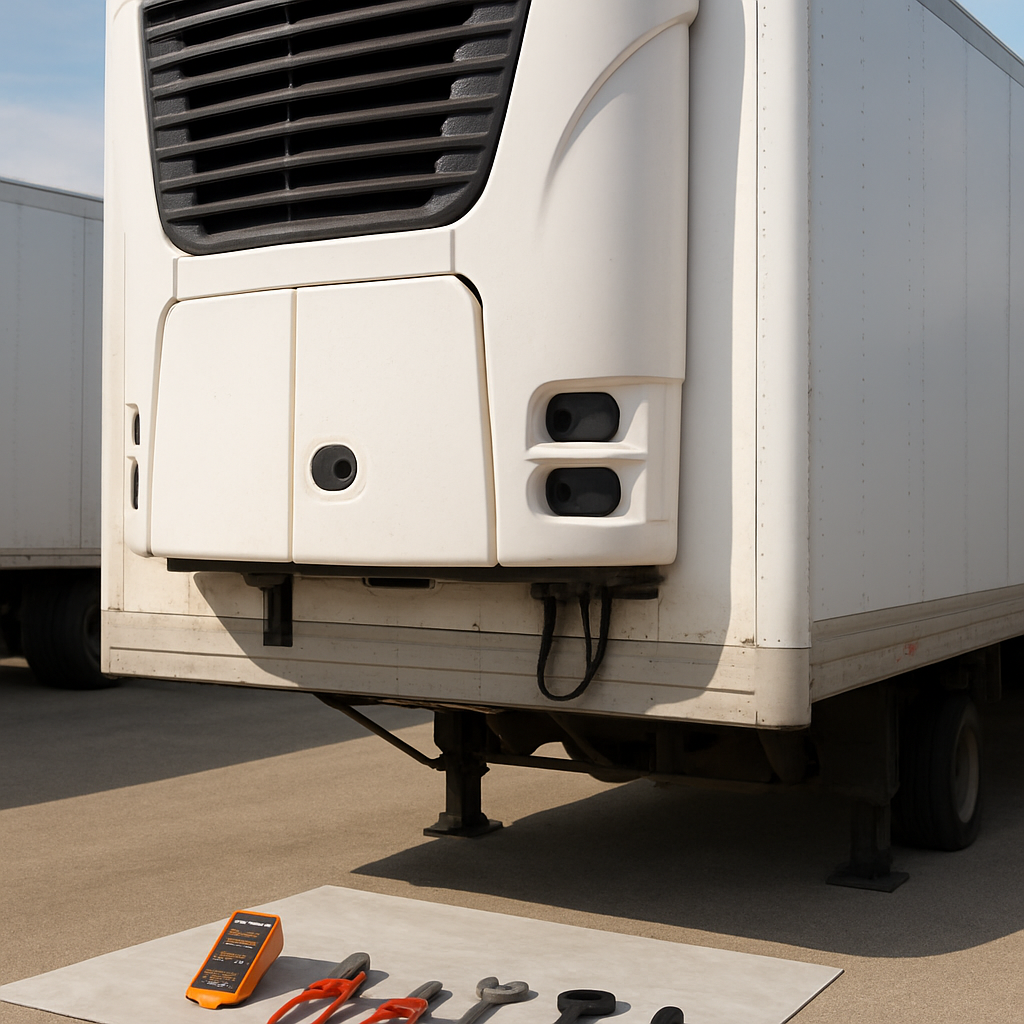
From our job logs, four causes account for the majority of transport-refrigeration breakdowns:
- Refrigerant loss — usually a slow leak that's been masked by the unit's compensation behaviour and has finally crossed the threshold where the unit can't maintain set-point. Hose chafe, schrader valve degradation, evaporator coil pinhole.
- Compressor failure — overheat, oil starvation, or contactor / clutch failure on units with electromagnetic clutches.
- Defrost cycle stuck — termination thermostat fault leaves the unit cycling defrost forever; box temperature drifts up because the evaporator never gets back to refrigeration mode.
- Diesel engine fault on auxiliary units — for Carrier Vector / Genset units, the auxiliary diesel itself can fail and take the fridge with it.
What a mobile refrigeration call looks like
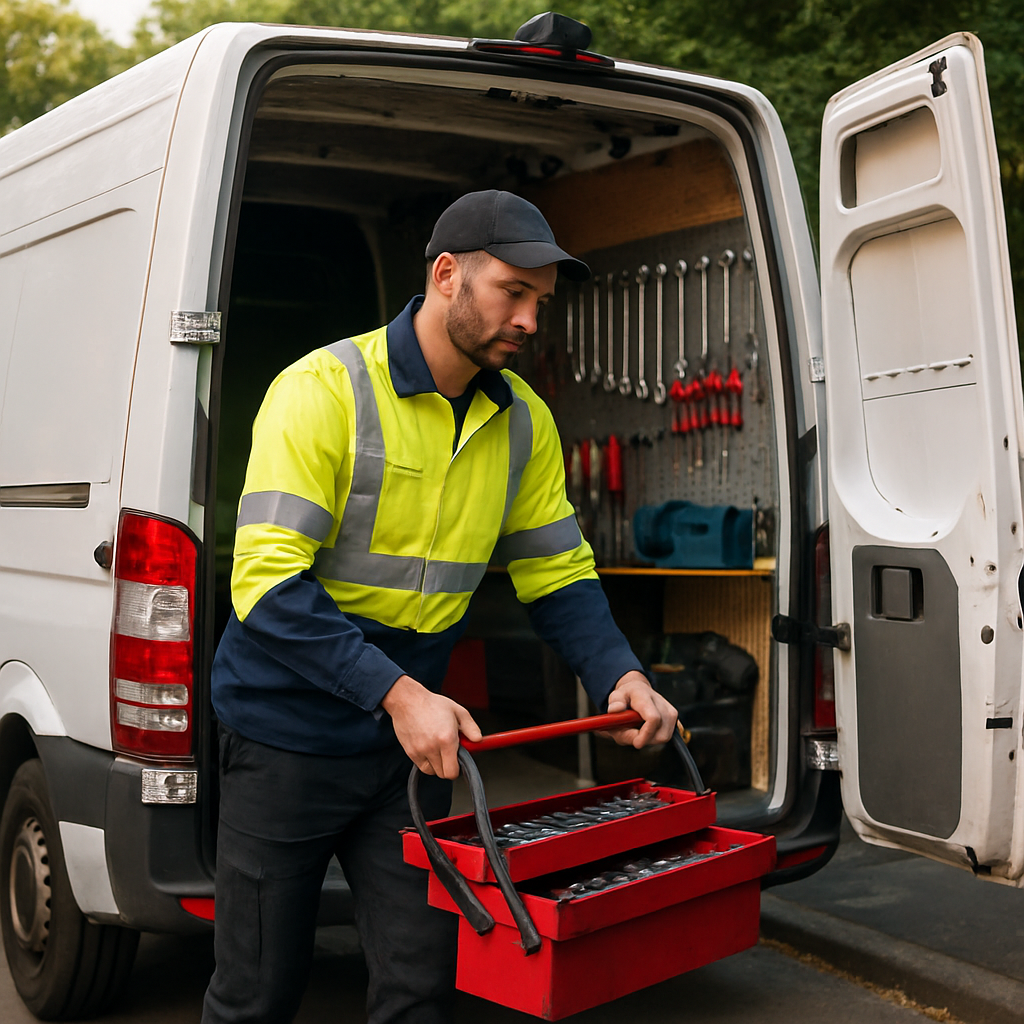
The dispatcher takes brand, model number, and current box temperature on the call. That's not a formality — it changes which technician is dispatched. A Carrier Vector engineer carries different parts than a Thermoking SLXi engineer. Universal stock won't work; manufacturer-specific spares matter.
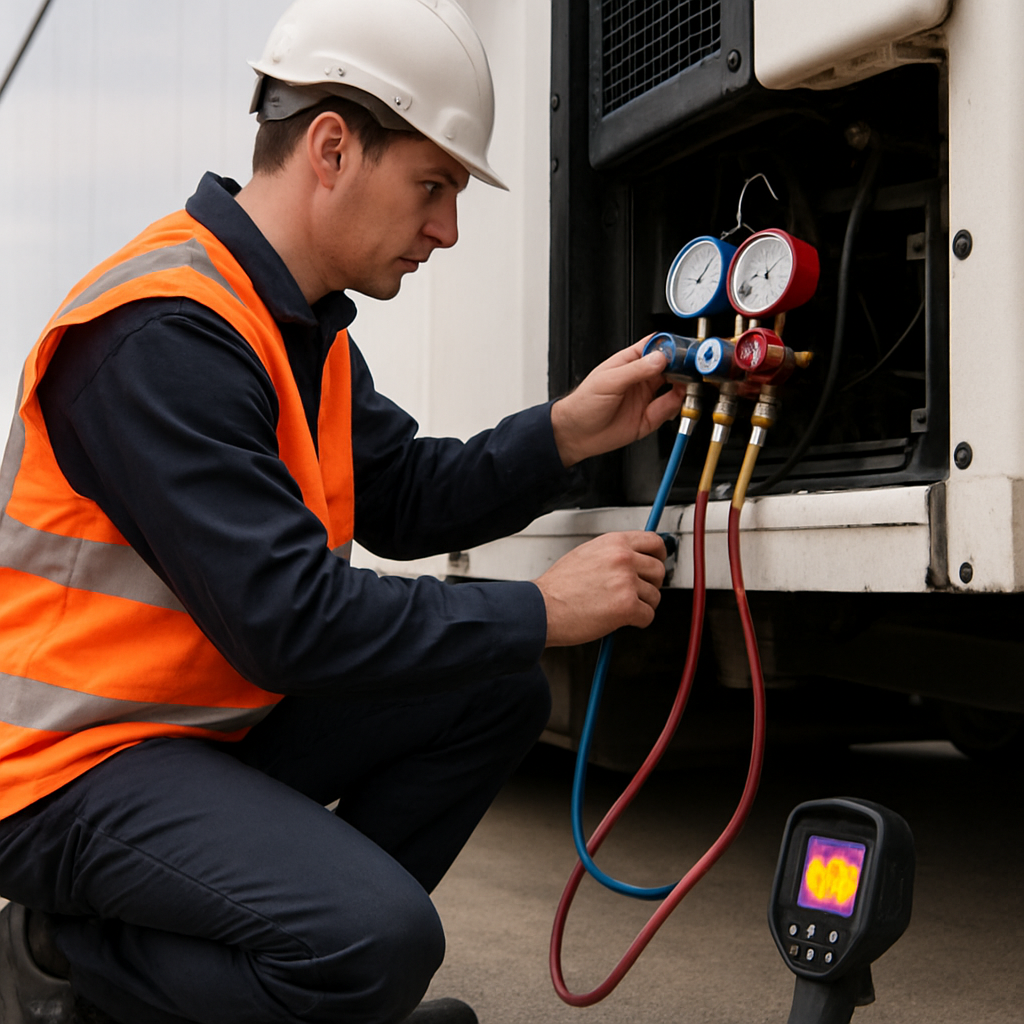
On-site, the engineer works in a fixed sequence: confirm symptoms, take pressures with a manifold gauge set, run the unit's diagnostic mode, check refrigerant level, check belts and pulleys (mechanical-drive units), and run a load test under set-point.
The "salvage the load" decision
Sometimes the unit can't be fixed at the roadside — a compressor change is shop work, a major refrigerant recharge needs facility recovery equipment. In those cases the priority shifts: salvage the load, not finish the repair on-site.
Options at that point: relay the trailer to a workshop with the load shifted to a serviceable trailer; bring a portable refrigeration unit to keep the load at temperature while the trailer is recovered; or coordinate with the consignee for an early offload. The right call depends on load value, distance to next stop, and ambient.
Brand expertise matters
Carrier Transicold (Vector, Supra, Pulsor, Iceland) — different fault-code language, different connector standards, different refrigerant charges. Thermoking (SLXi, T-series, V-series) has its own ecosystem with the SR-3 controller architecture. GAH is common on UK distribution work and is electric-only — different again.
Our engineers are factory-trained on the brand they work on. There is no universal refrigeration engineer; specialism wins on first-fix rates.
What it costs
Roadside diagnosis plus minor repair (defrost-stuck reset, contactor swap, hose replacement, refrigerant top-up to spec) is typically a fixed call-out fee of £280-£480 plus parts. Major repairs (compressor change, evaporator replacement) are workshop work and quoted on the diagnosis. Account customers run on pre-agreed rates with priority dispatch.
Cold chain on the wire?
Call 0330 0433 365 24/7. Tell us the brand, model, and current box temperature — every minute counts when the load is at risk. See our transport refrigeration breakdown service page or the contact form for fleet account setup.